

Craft
Understand what makes your cup.
Learn to taste, brew and understand the journey behind every coffee. Start with a question, not an encyclopaedia.
Our coffee philosophy
Every step considered.
Great coffee is never an accident. Where it grows, how it is processed, how it is roasted and how it is brewed all shape what you finally experience. We present remarkable coffees with clarity and character, so you can connect with their origin and enjoy them at their best.
More complex does not mean better. The best coffee is the one you enjoy, understood a little more each time.
From origin to cup
Why coffee tastes different
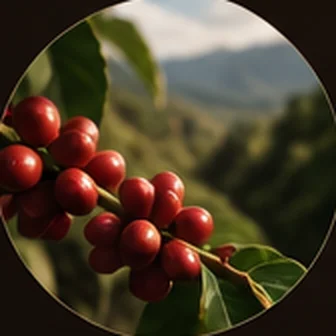
01 · Origin
Flavour begins at the source.
Origin, altitude, climate and variety shape the coffee's natural character before anything else happens.
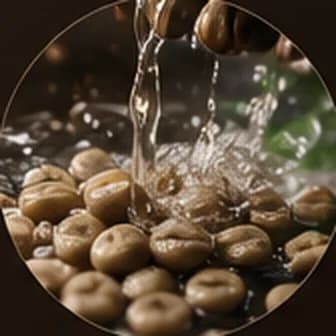
02 · Process
Character takes shape after harvest.
How the coffee is processed influences its sweetness, acidity, body and the flavours it carries forward.

03 · Roast
The roast brings the coffee into focus.
Each roast is developed to reveal what makes that coffee distinctive, balancing origin, character and flavour.

04 · Brew
The final expression happens in the cup.
The right brewing method brings everything together, unlocking the aroma, balance and flavour built through every stage.
Processing
Different processes, not a hierarchy
Washed
The fruit is removed before drying. Often clean, clear and bright.
Natural
The whole cherry dries around the seed. Often fruit-forward and sweet.
Honey
Some of the sticky fruit is left on while drying. Often rounded and sweet.
Carbonic maceration
Whole cherries ferment in a sealed, carbon-dioxide-rich tank before drying. Often vivid and winey.
Cold fermentation
Fermentation is slowed at low temperature for more control. Often delicate and layered.
Co-fermentation
Coffee ferments alongside other ingredients such as fruit. Its flavour reflects that process, and is described as such.
Learn to taste
Five things to notice
Flavour notes describe impressions, not necessarily ingredients. Take your time, and trust your own palate.
Find a coffee to taste- 01
Aroma
What do you notice before tasting? Smell the dry grounds, then the brewed cup.
- 02
Acidity
Is the impression gentle or bright? Think of the difference between a ripe pear and a green apple.
- 03
Body
Does the texture feel light like tea, or fuller like whole milk?
- 04
Sweetness
What sweet impression do you notice: honey, caramel, ripe fruit?
- 05
Finish
What stays after the sip? Notice how the cup changes as it cools.
Brew guides
Brew it well at home
General method guides. Coffee-specific Champion recipes will be added as they are approved.
V60 / Pour-over
Clean and expressive. Lets origin character and aroma come through.
- Dose
- 15 g coffee
- Water / yield
- 250 g water
- Ratio
- 1:16.7
- Temperature
- 92 to 94 °C
- Grind
- Medium-fine, like coarse sand
- Time
- 2:45 to 3:15 total
- 1Rinse the paper filter with hot water and discard the rinse.
- 2Add the coffee, level the bed and start a timer.
- 3Bloom: pour about 40 g of water, swirl gently and wait 30 to 40 seconds.
- 4Pour slowly in circles to 150 g by 1:00.
- 5Continue to 250 g by about 1:45, then let it draw down.
- 6Swirl once, serve and taste again as the cup cools.
Troubleshooting
- Sour or thin? Grind a little finer.
- Bitter or dry? Grind a little coarser.
- Use filtered water for a cleaner cup.